
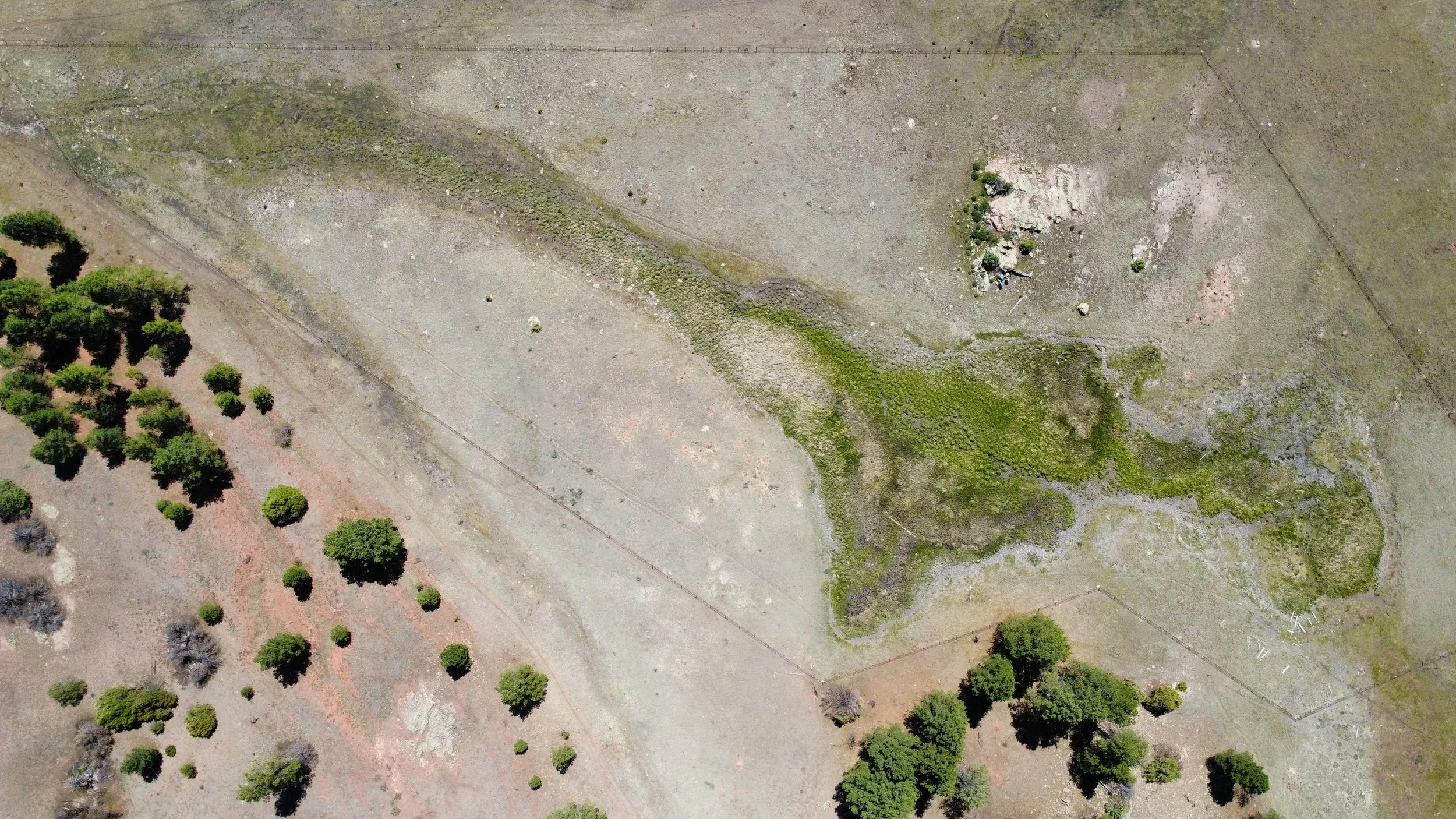
Why Study Springs?
Spring flows may be immeasurably small compared to rivers and lakes, yet they play a leading role in the greater hydrologic cycle — all of Earth's water is recycled through submarine vents every 8 to 10 million years. They have high cultural value as the source of some of the world’s most pristine fresh water, and they are some of the most biodiverse habitats on the planet.
In addition to their ecological and socio-cultural importance, springs play another useful role. By studying their temperature and ionic content, springs serve as a window into the earth, making them the canary in the coal mine for groundwater sources.
“Because aquifers are remote and usually hidden beneath the earth, the surface expression of the spring is a convenient and easy observation location for the health of the aquifer.”
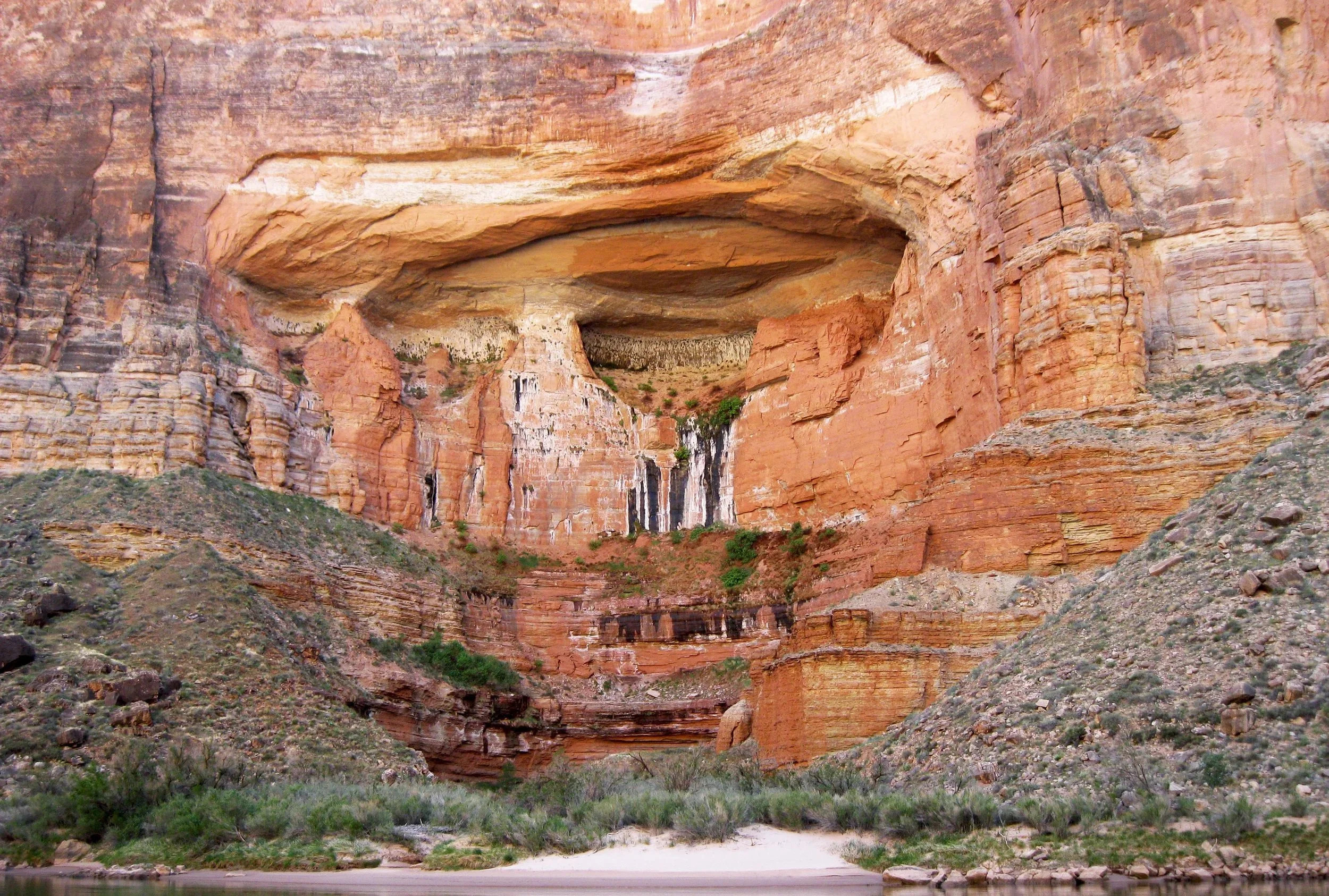
Royal Arches Spring, Grand Canyon, photo by Dr. Larry Stevens
Importance
Although springs occupy a relatively minute area within the landscape, these ecosystems support more than 20 percent of the endangered species in the United States, as well as a high number of rare groundwater-dependent species. Springs are also some of the most sensitive indicators of global climate change, due to their inherent connection to groundwater systems. In addition, they hold great cultural significance for many indigenous cultures throughout the southwestern United States and the world. Thus, they play a vital role in the health and longevity of our society as well as our planet.
Until recently, very little research has focused on springs ecosystems or their dependent species. Nor has there been a systematic effort or methodology for assessing springs ecologically, resulting in a lack of data collection or analysis, as well as monitoring of springs ecosystems. This lack of information and attention has resulted in the loss of many springs through poor groundwater management and detrimental land use practices. The estimated loss of springs in some landscapes exceeds 90 percent, and losing springs habitat constitutes a global environmental crisis.
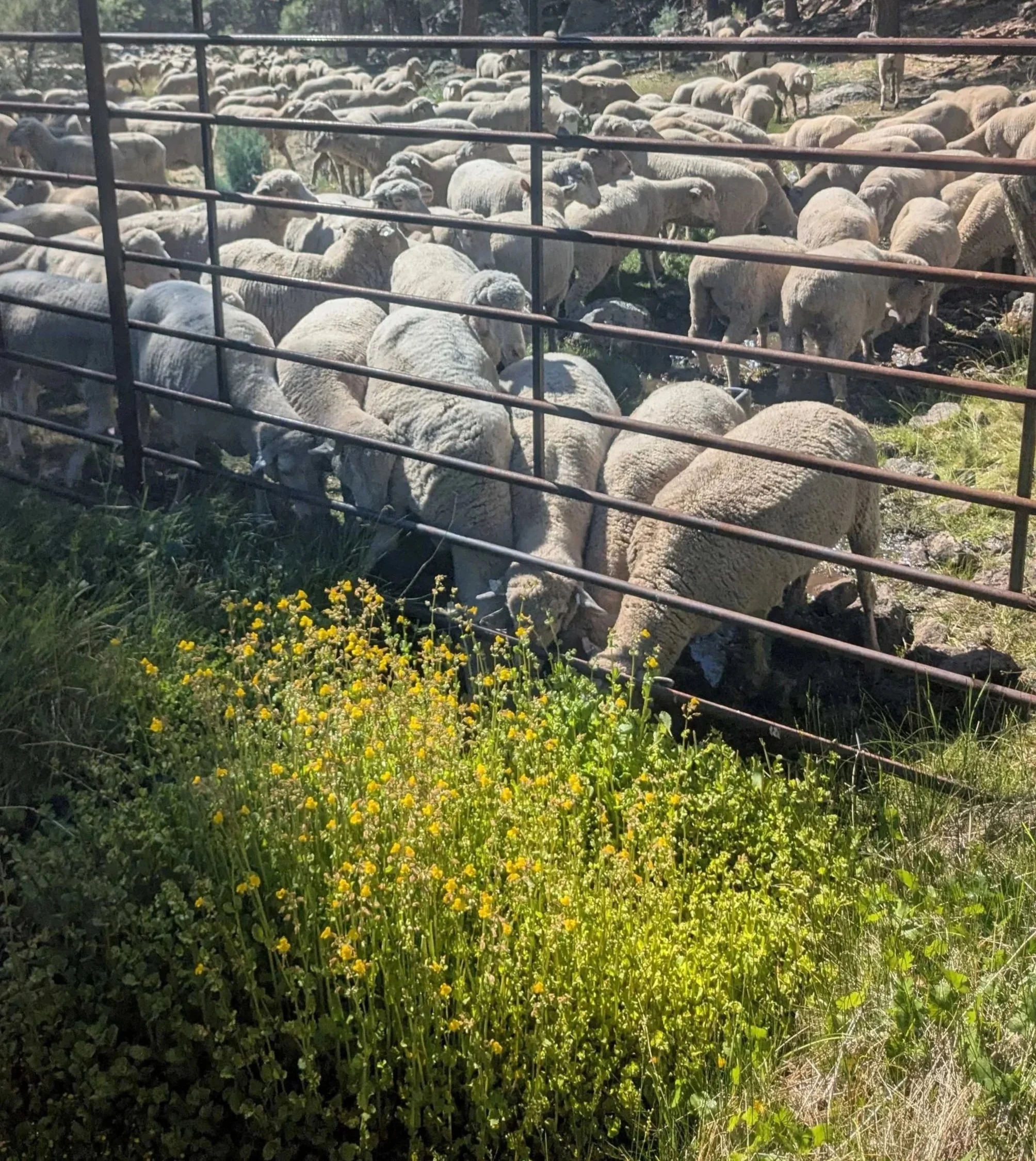
A herd of sheep compete for access to the lush vegetation inside the exclosure at Big Spring, AZ
Threats
Land Use
Human activities have greatly reduced the ecological integrity of springs ecosystems through exploitative uses including groundwater pumping, diversions, livestock grazing, mining, recreation, and development. Springs can also be impacted by activities in the surrounding landscape through agricultural pollution and wastewater disposal.
Environmental
Springs are also threatened by broader environmental factors such as the spread of invasive species or climate change. Invasive plants and animals often overwhelm native species, disturbing springs’ ecological health. Altered precipitation and temperature patterns can reduce snowpack and increase evaporation, decreasing aquifer recharge and water availability at the spring source.
As a result of these impairments, relatively few springs ecosystems remain intact. For example, overall estimates of springs and riparian habitat loss range from 40% to 93% in the arid southwestern United States.
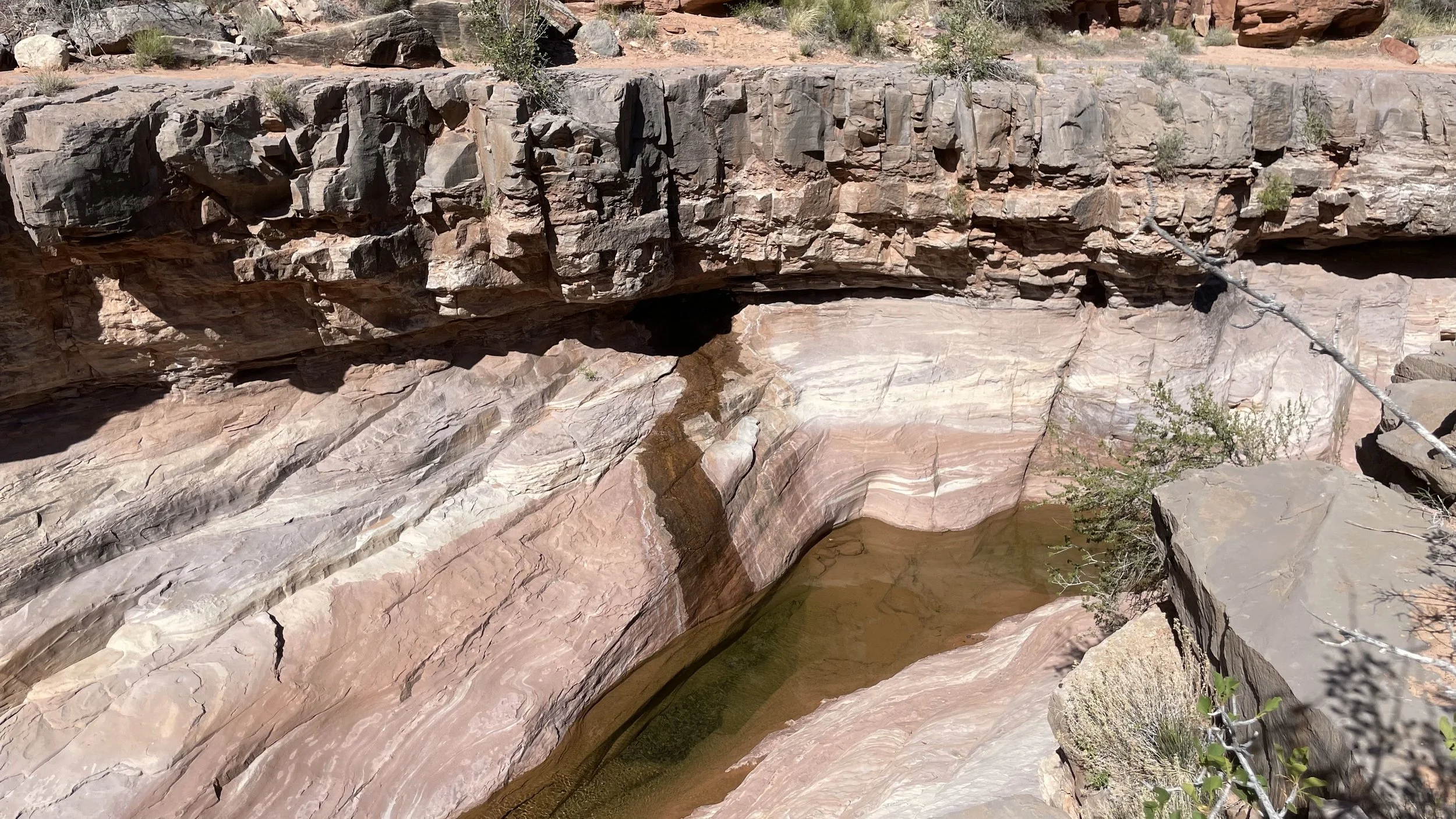
A small seep in Dark Canyon, UT
Challenges
One of the greatest challenges SSI faces in its effort to improve springs stewardship is a lack of data and inadequate information management. Many springs remain under-studied or even unmapped, and what little information exists is fragmented and therefore largely unavailable to researchers, land managers, and conservation organizations. SSI is committed to developing technological tools to promote springs research, and making them available to a broad range of managers as well as the public. Our web-based data portal, Springs Online, is one such tool that serves to centralize information about springs, supporting research efforts as well as informing stewardship activities.