What Are Springs?
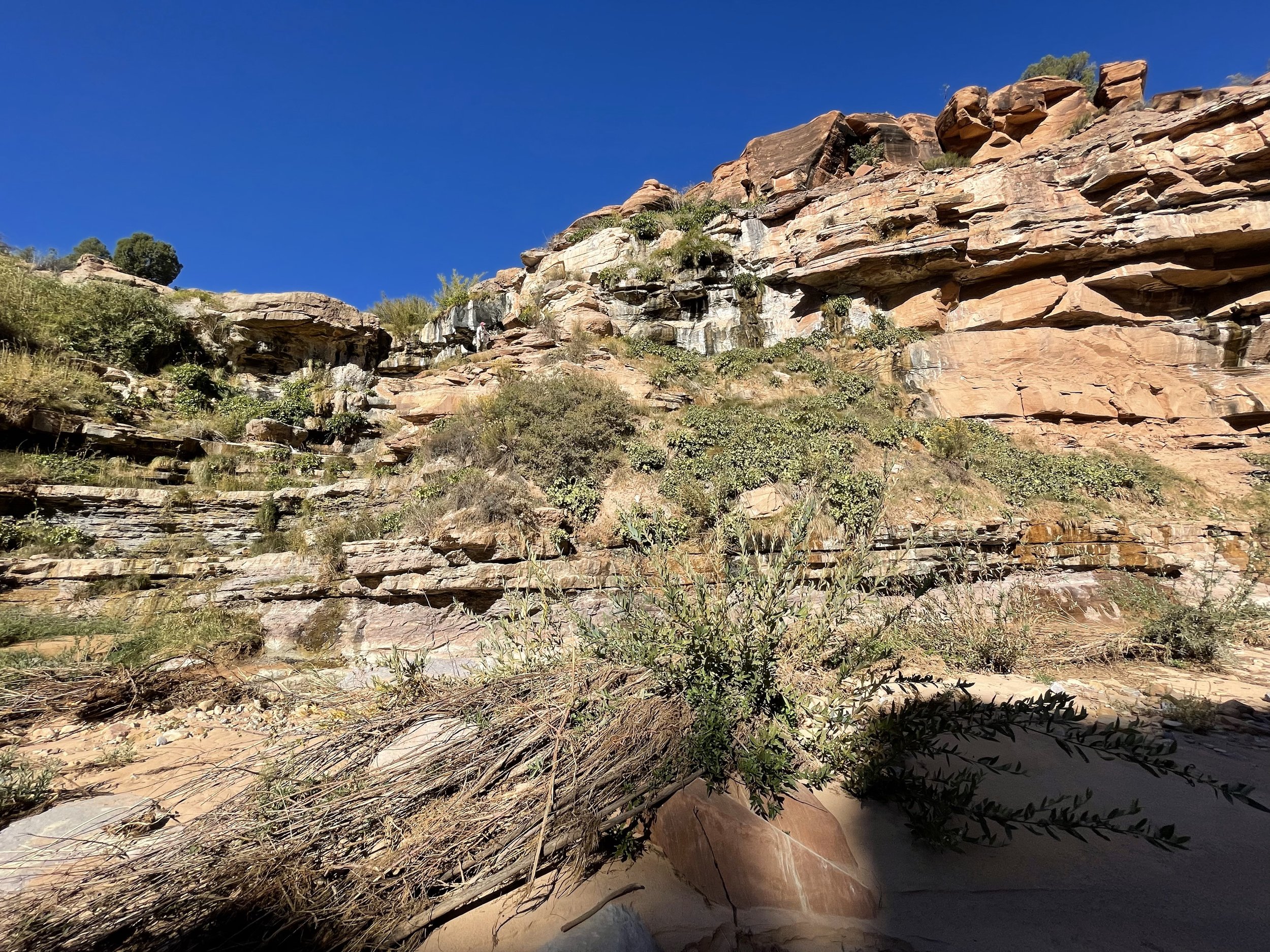
Springs are places where groundwater is exposed on the Earth's surface. Spring flow comes from underground aquifers or water tables, meaning that springs are groundwater-dependent ecosystems. In some cases, the water emerging from a spring may have traveled long distances and taken tens, hundreds, or even thousands of years to reach the surface.
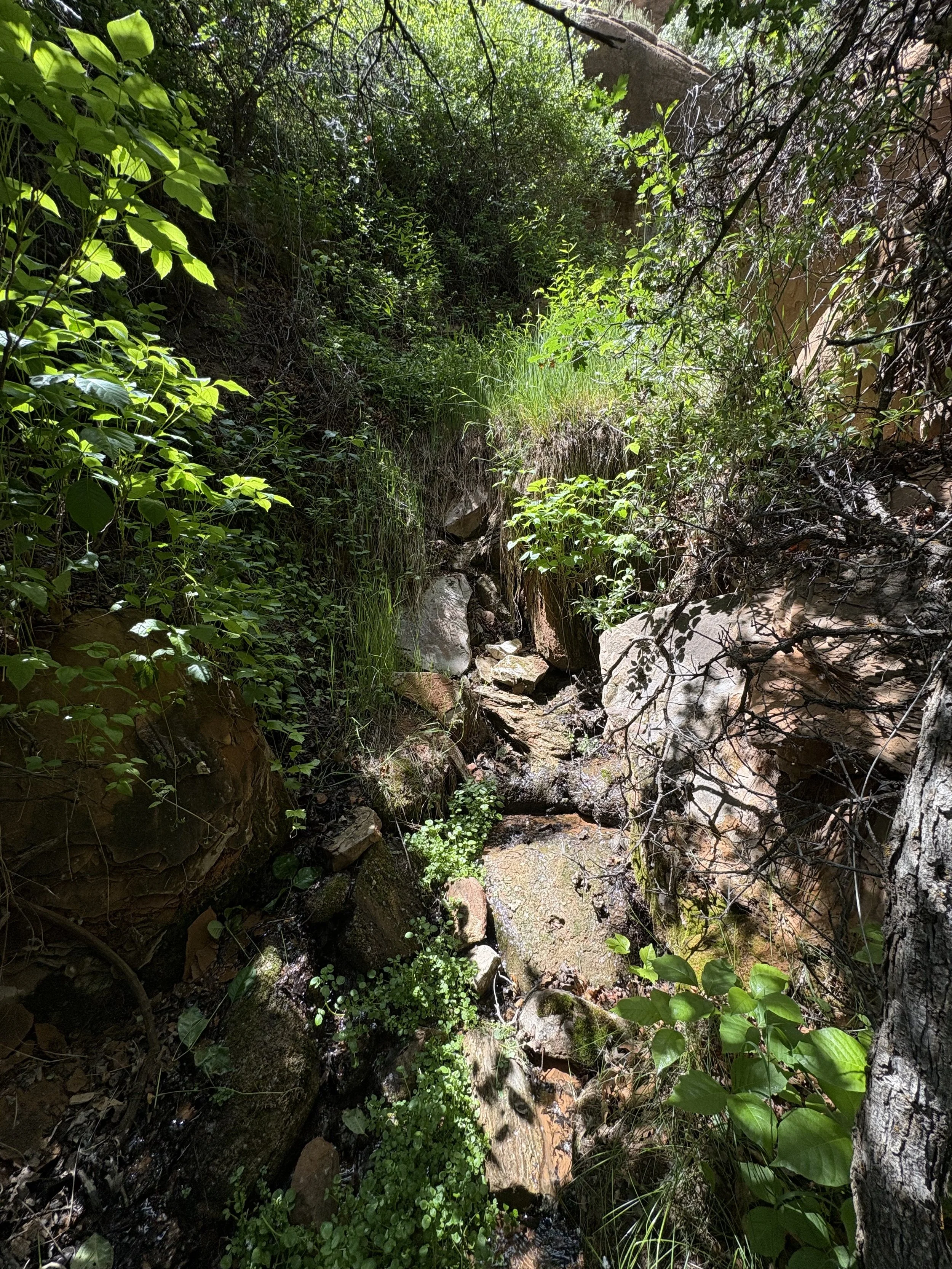
Twelve types of springs emerge into both terrestrial and aquatic environments ranging from deserts to forests, and even the floors of rivers, lakes, and oceans. They can be either perennial with constant outflow, or ephemeral with seasonal or erratic emergence patterns throughout the year. Spring outflow may be immeasurably small (usually referred to as seeps), or incredibly large, often creating rivers or lakes.
Though springs are often valued for the high quality of their water, some springs discharge non-potable water, heavily laden with salts and minerals. Spring water temperatures also cover a wide range, from quite cold to too hot to touch (even exceeding 500 degrees Celsius!). Variations in spring water reflect the flow path and geologic setting of the aquifer that sources the spring.