Springs Stewardship Institute works to promote and improve scientific understanding and stewardship of spring ecosystems worldwide.

Although they are among the most biologically and culturally important and highly threatened ecosystems on Earth, springs are poorly studied and inadequately protected. Though relatively small in comparison to other water sources, springs support more than 15% of the federally listed species in the United States and thousands more endemic and rare species. SSI works to improve the understanding and management of these critical and endangered ecosystems to preserve their unique role in the landscape for generations to come.

Learn More About SSI

Get the latest field stories and spring science delivered to your inbox.


Download SSI’s e-Book Springs of the World: Distribution, Ecology, and Conservation Status

This free e-Book was written in collaboration with many co-authors from around the world


Ongoing Study of Verde Headwater Springs

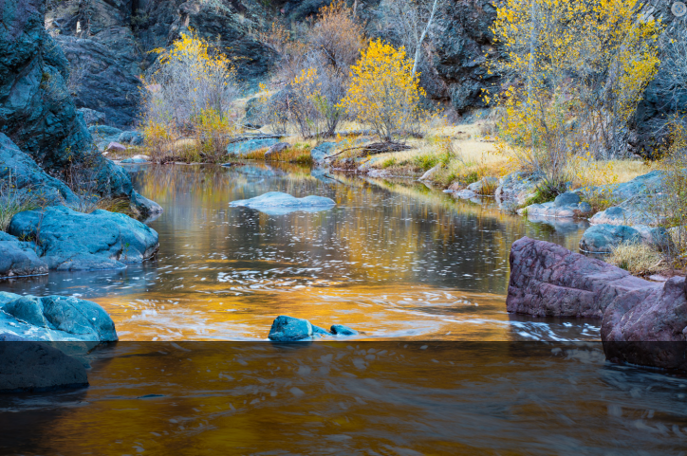
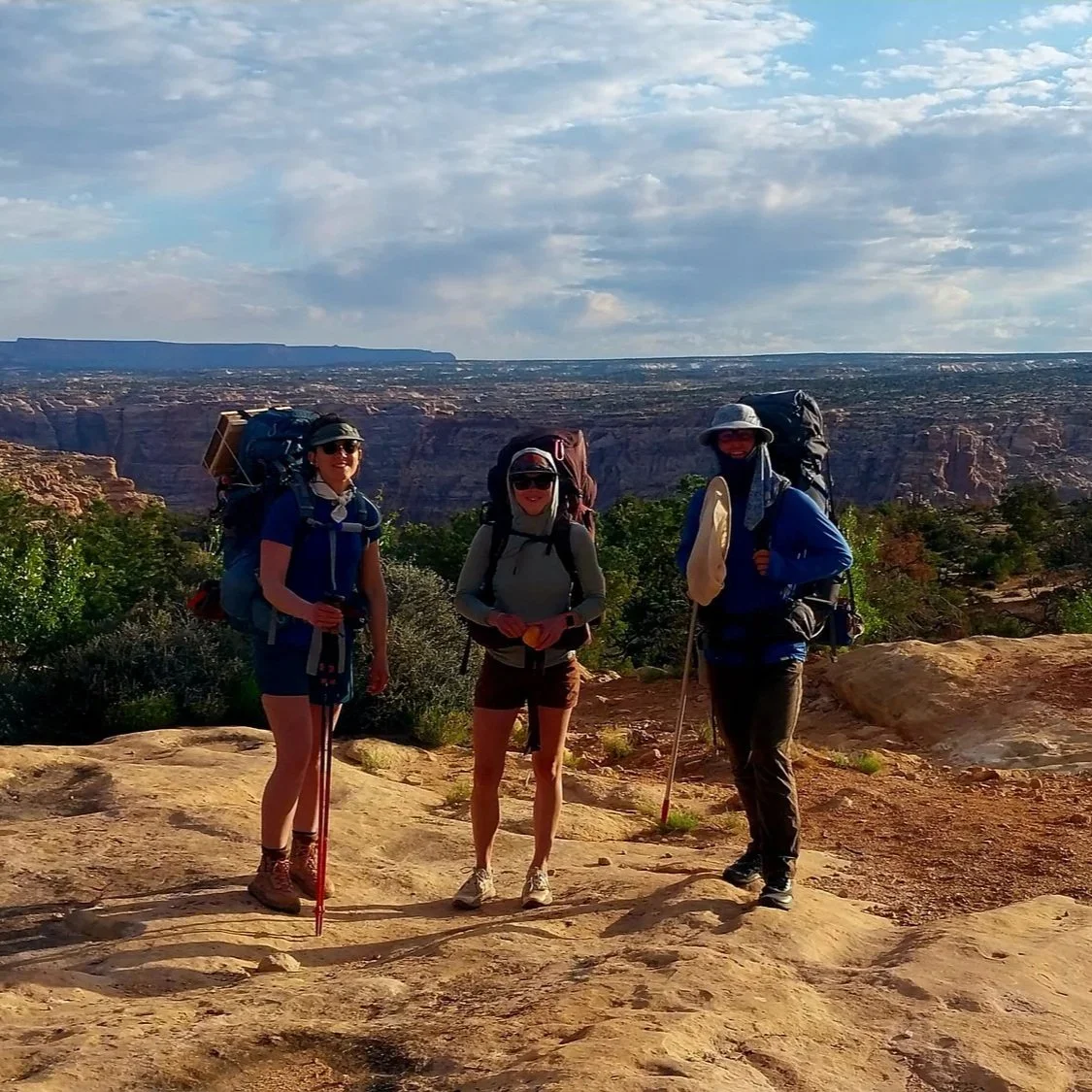
Photo courtesy of Joel Hazelton (joelhazelton.com)

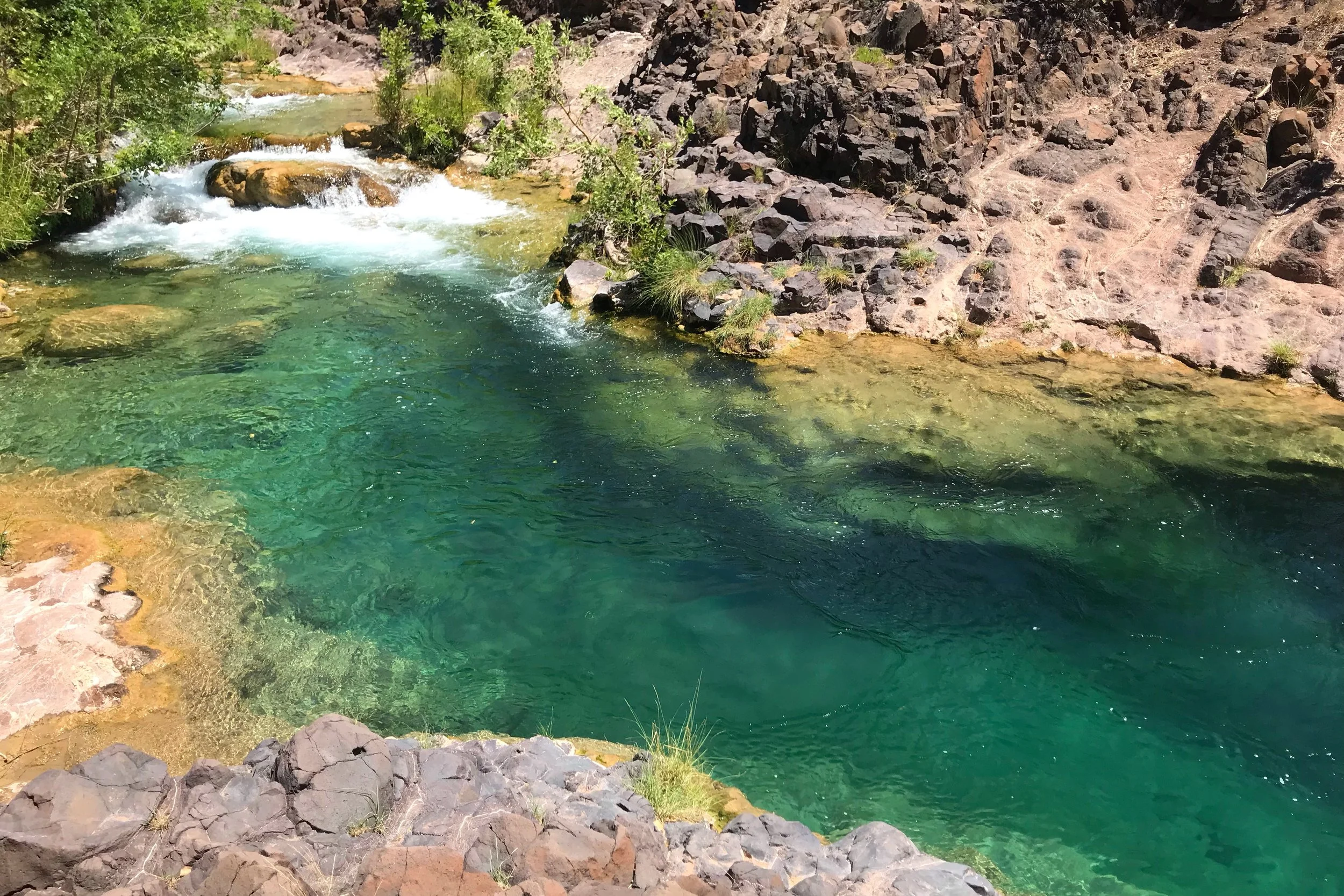
In 2023 and 2025, SSI partnered with Friends of the Verde River to map and inventory the headwater springs that provide critical baseflow to the Verde River and its tributaries. This project has been generously funded through a grant from the Nina Mason Pulliam Charitable Trust. Follow these links to learn more about the project and Verde springs ecology.


Great Pondhawk (Erythemis vesiculosa) - tank near Arivaca, Pima County Arizona. Photograph by Douglas Danforth.

Great Pondhawk (Erythemis vesiculosa) - Tank near Arivaca, Pima County Arizona. Photograph by Douglas Danforth.

Dragonflies Book Available for Purchase

Long time river runner Larry Stevens teamed up with odonatologists Rich Bailowitz and Doug Danforth to publish a unique and superbly illustrated reference to the dragonflies of the Grand Canyon Region. This book, designed by Jeri Ledbetter, includes stunning images of these beautiful creatures, captured by Doug Danforth in their natural habitat. More information here.


This book is the result of five decades of study of the dragonflies and damselflies in the Grand Canyon ecoregion. This work would not have been possible without support from the Grand Canyon Outfitters Association’s Grand Canyon Fund.


We are Moving Springsnail Conservation Forward

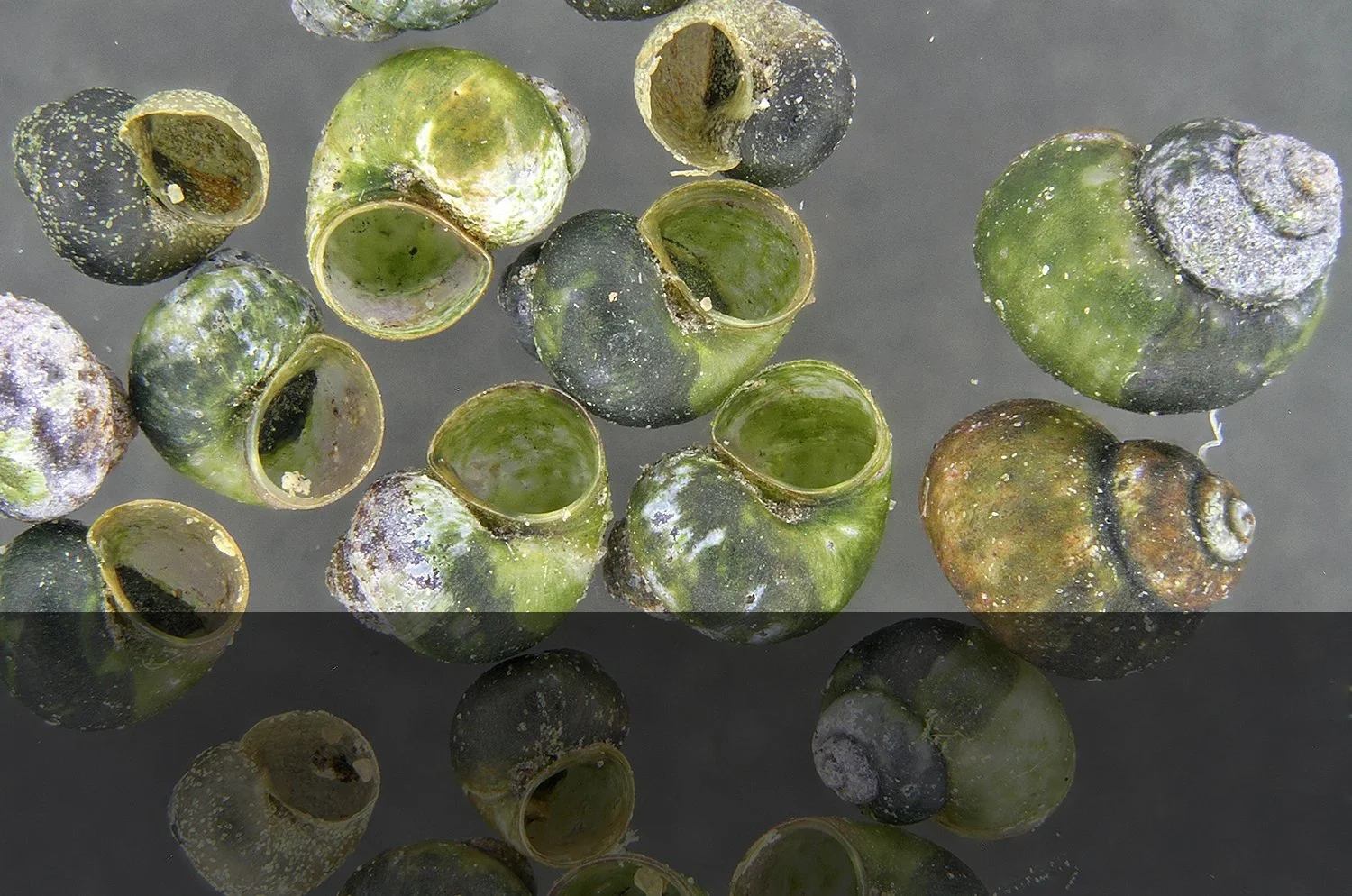
Springsnails grow to a maximum size of 2-3 mm (about 2-3x the thickness of your fingernail). Magnified here by MNA’s macroinvertebrate imaging lab.

Springsnails grow to a maximum size of 2-3 mm (about 2-3x the thickness of your fingernail). Magnified here by MNA’s macroinvertebrate imaging lab.

Springsnails are often highly endemic to individual springs ecosystems, a result of the role of springs as a paleorefugia for life developed when the Southwest was considerably wetter. Unfortunately, this endemism makes individual springsnail species vulnerable to extinction when spring habitats are degraded. SSI assisted the Springsnail Conservation Team (SCT), a group of partner organizations including state and federal agencies, in forming a comprehensive conservation strategy for springsnails in Utah and Nevada to safeguard existing springsnail species richness and diversity. The resulting Nevada and Utah Springsnail Conservation Strategy and associated Agreement is a comprehensive and proactive 10-year plan to protect 103 species of springsnails and their habitats (primarily springs). Successful achievement of Agreement objectives will protect springsnails and their habitats in the two states and avoid future federal listing of these species. The objectives of the Agreement cover compilation of ecological data, threat identification and reduction, habitat maintenance and restoration, and an education/outreach program. SSI continues to support the Springsnail Conservation Team to implement the Strategy and meet Agreement goals.