

Critical Data Collection
Comprehensive inventory is a fundamental element of springs ecosystem stewardship. It provides the essential information that forms the foundation of assessment, planning, management action, and monitoring. We have developed systematic protocols for collecting spring survey data at three different levels, each contributing to the complex evaluation of a site.
SSI Protocols
Level 1 - General Information
The first tier of surveying involves a brief 15-20 minute site visit and covers georeference data and access directions, photographs of the source and the surrounding microhabitats, and a high-level site description and notes on site condition. Level 1 surveys help in describing the distribution of springs across a landscape, as well as determining the level of need for more rigorous inventories.
Level 2 - SIP and SEAP
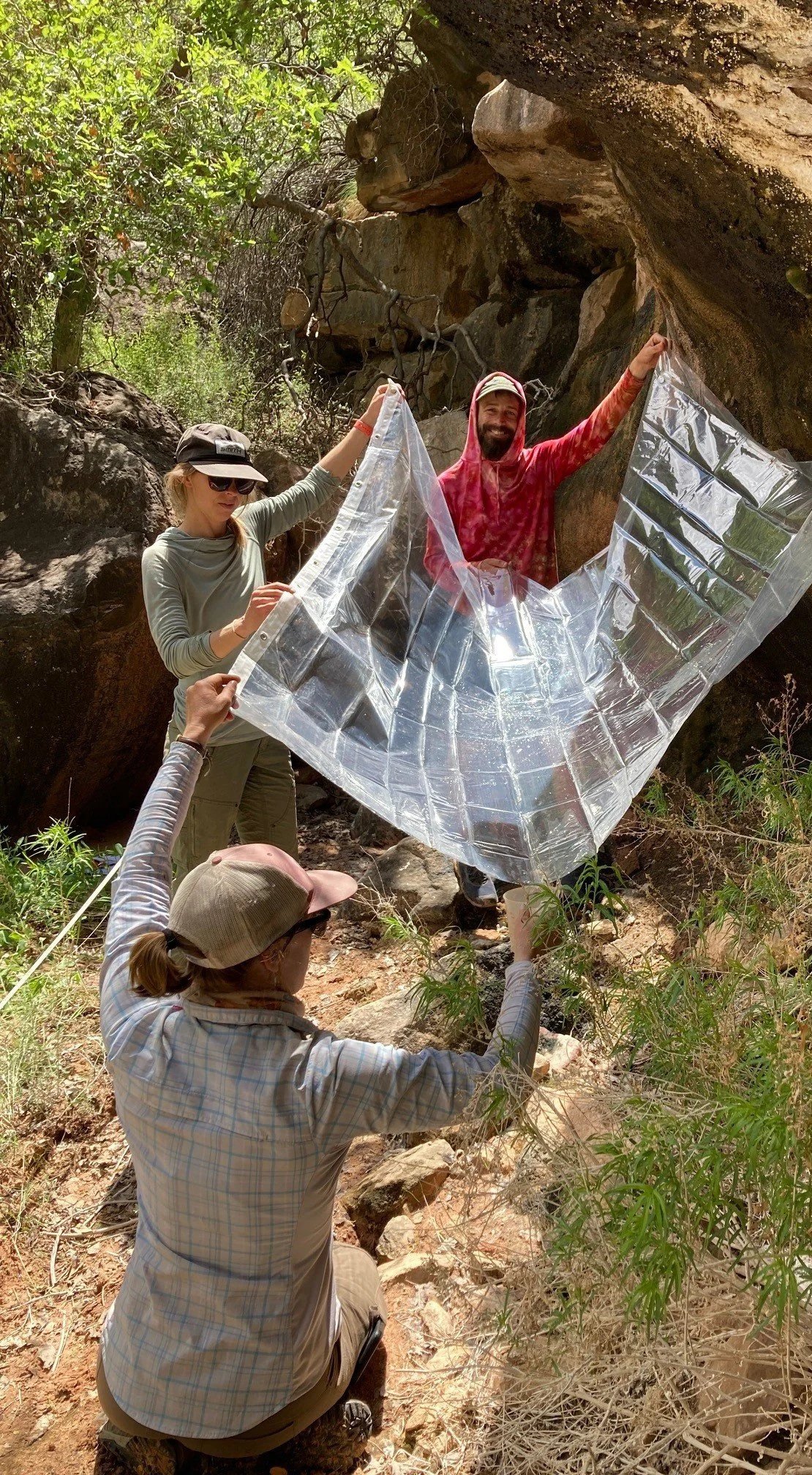
Going deeper, the next level of survey protocols involves a detailed inventory of the springs ecosystem in two parts: the Springs Inventory Protocol (SIP) and the Springs Ecological Assessment Protocol (SEAP). The SIP focuses on the physical and biological characteristics of the spring, while the SEAP requires surveyors to evaluate that data to assess the site's condition and any risks facing the spring ecosystem. By the end of a level 2 inventory, surveyors will have recorded and assessed data in six areas recognized by experts as being important to the ecological form, function, and sustainability of springs. These categories include:
Water chemistry and flow
Geomorphology
Habitat and soils
Flora and fauna
Human influences
Management context
After completing these protocols, our team enters the data into Springs Online.
Level 3 - Monitoring and Research
SSI’s ultimate goal is to assist land managers in using these tools for long-term monitoring and assessment of spring health. This final stage is an ongoing and iterative process, during which project managers examine the data collected during Level 2 surveys over time to examine the effect of stewardship actions and inform adaptive management practices.