
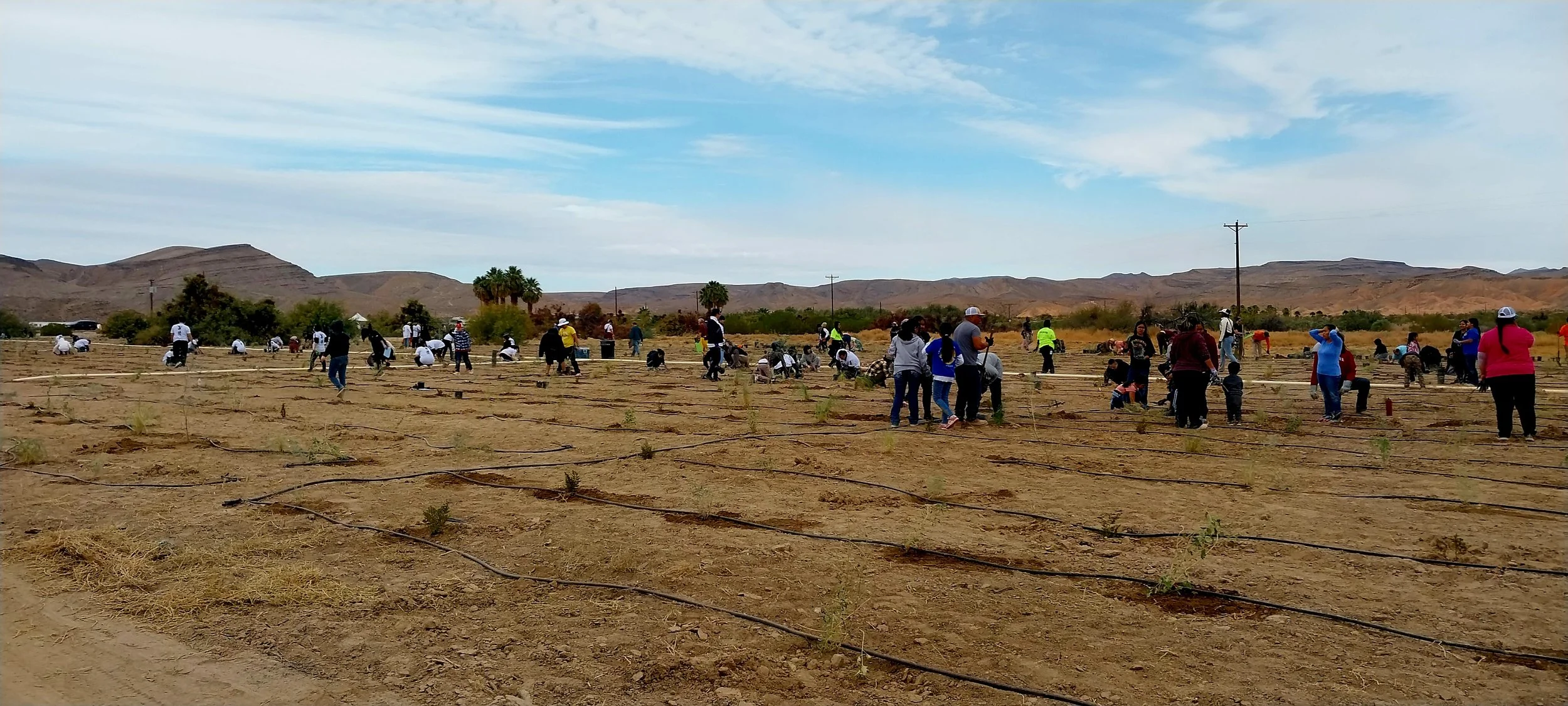
Stewardship
Springs support some of the world's most rare and endangered species, are important paleontological, cultural, and historic sites, and are often intensively used for human purposes. Our approach acknowledges the reality and complexity of the multiple, and at times competing, roles of springs. While we recognize and respect the ecosystem services provided by springs, we believe they can be managed more sustainably to support both ecological function human use. In addition, the appropriate care of springs enhances both economic value and the integrity of our natural heritage. We have seen many successful examples of stewardship balancing ecological and human needs, however, we have also encountered springs that have been destroyed by poor management practices and neglect. Sustainable management of springs should be the primary goal of stewardship.
Facilitating Sustainable Management
Management Tools
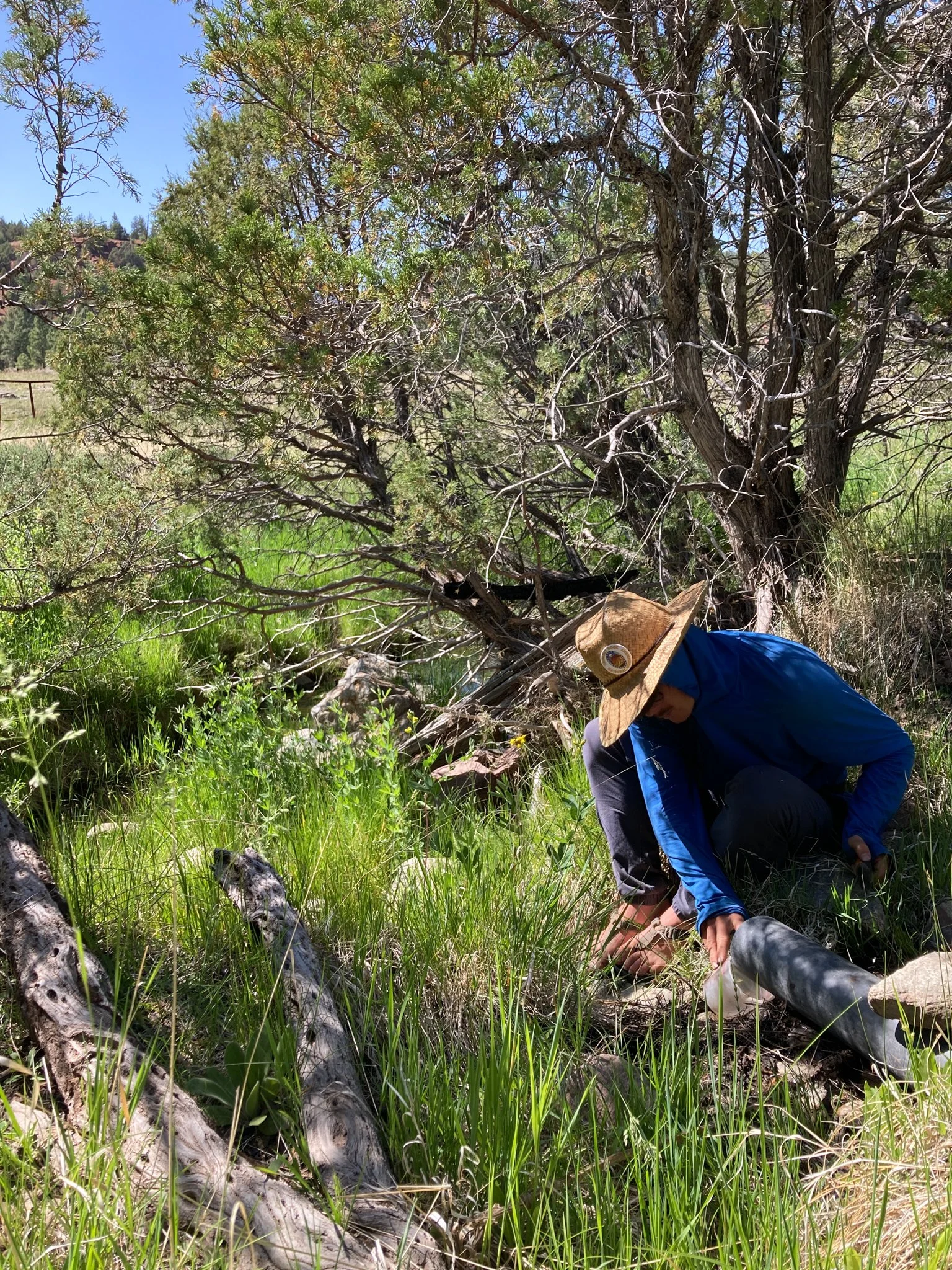
SSI's Springs Inventory Protocol (SIP) and Springs Ecological Assessment Protocol (SEAP) were designed to facilitate improved management practices. With these tools and conscientious planning, springs ecosystems can be monitored, restored, and sustainably managed.
Information Management
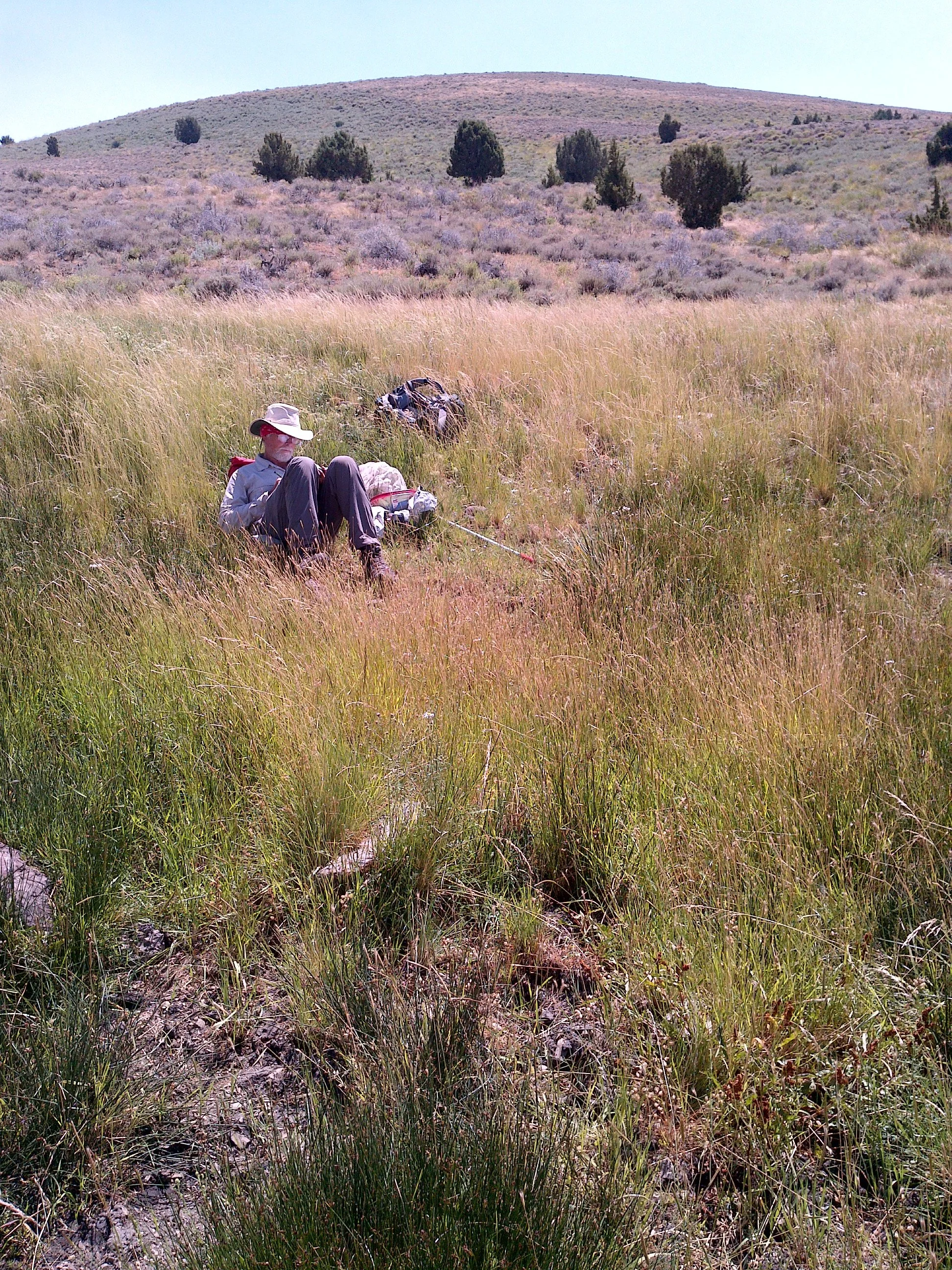
Detailed information on regional aquifers, ecology, biodiversity, socio-cultural history, and legal issues are necessary to craft effective management programs. However, few data management systems for springs ecosystems exist despite the widely recognized value of a robust, accessible, and secure springs database. SSI’s solution is Springs Online, which provides a framework for survey data that includes: geomorphology, soils, geology, solar radiation, flora, fauna, water quality, water flow, georeferencing, qualitative assessments of the site's condition, and risks faced by the ecosystem. All data housed in Springs Online can be made accessible to land managers, while sensitive information is protected by flexible permissions settings. The information SSI collects and manages is vital for springs stewards — both those who manage a single springs ecosystem for domestic use and those who manage large landscapes with hundreds or even thousands of springs.
Restoration
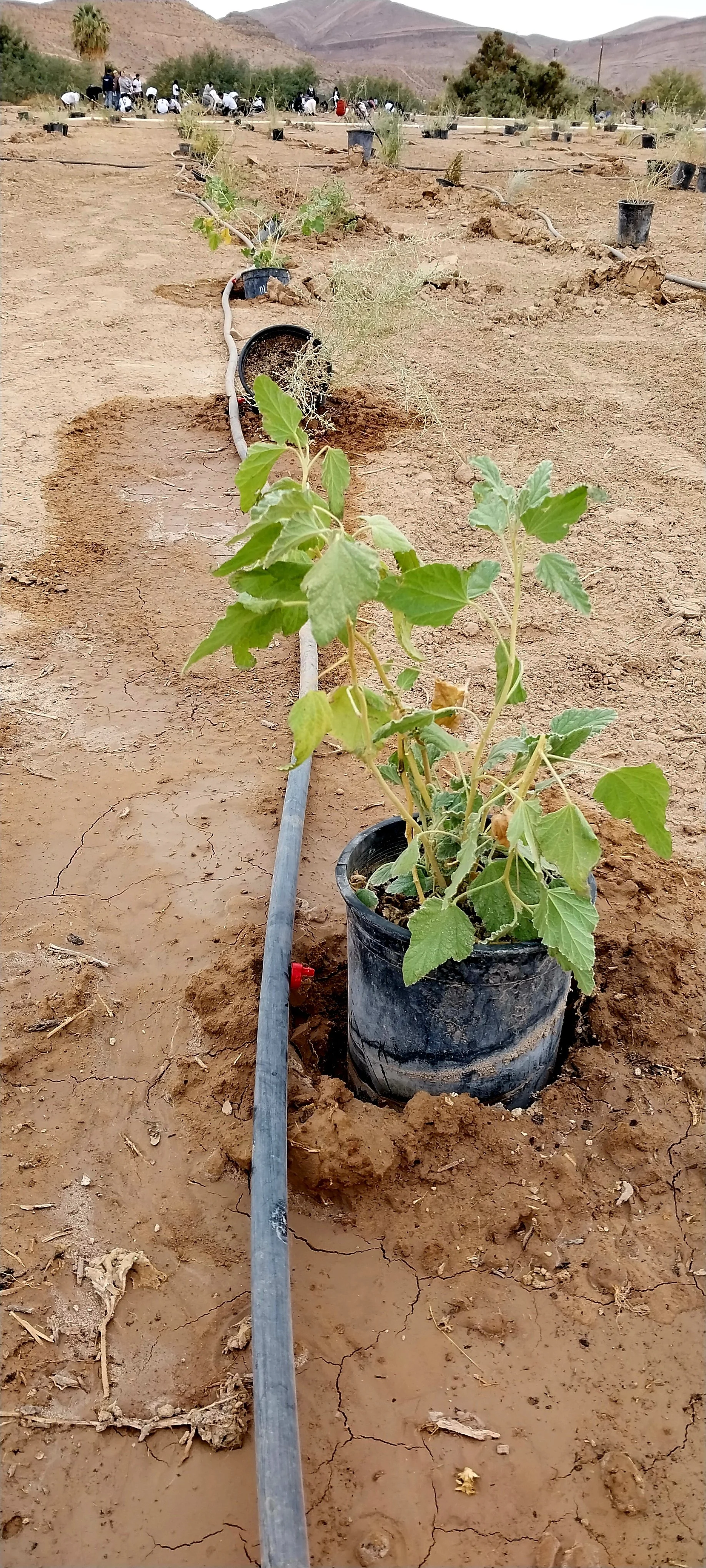
Despite the serious threats to springs ecosystems and challenges facing springs stewards, there are still opportunities for recovery. If the supporting aquifer is not impaired, springs ecosystems can be rehabilitated and restored.
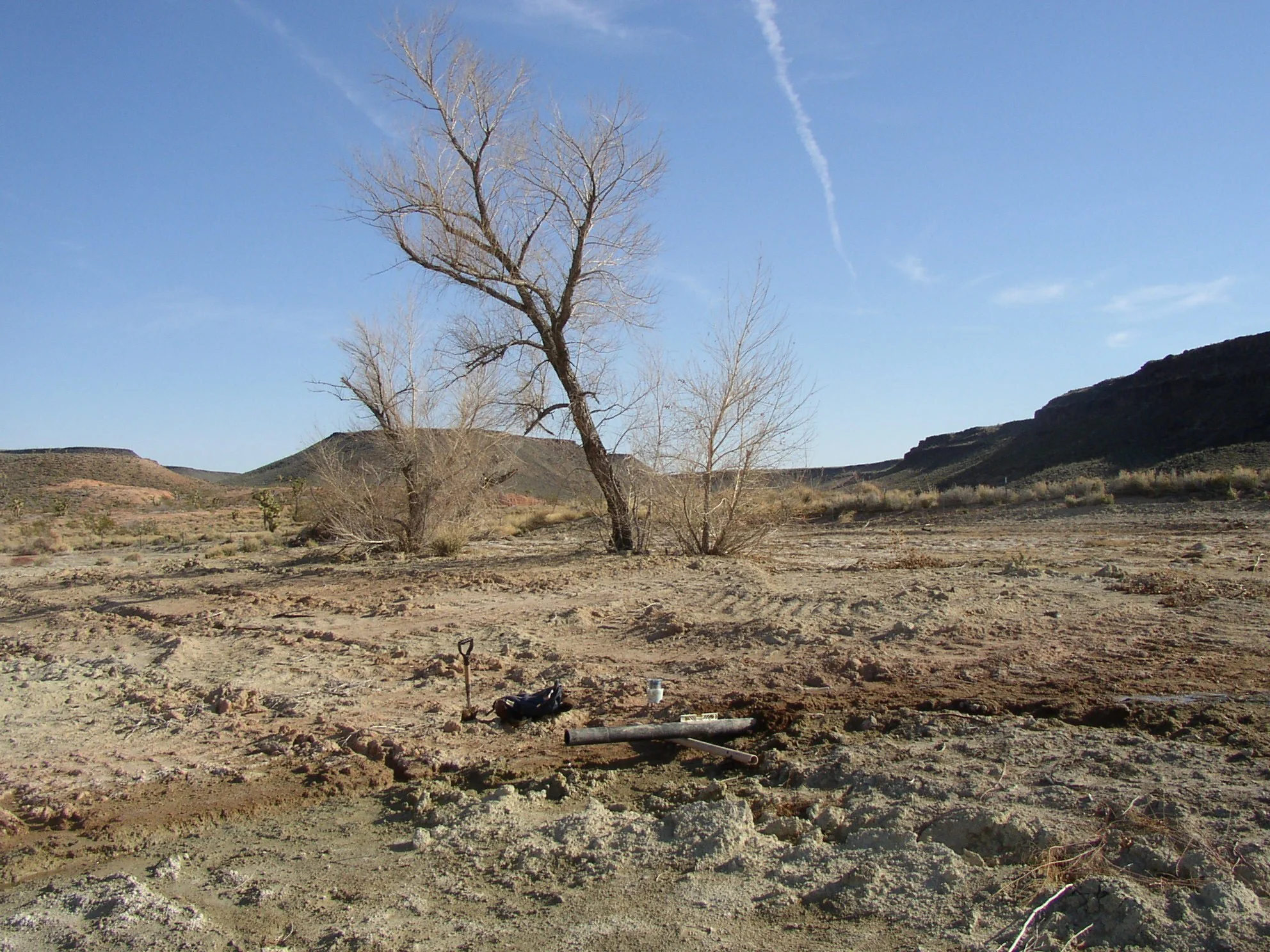
Pakoon Spring, Arizona in 2007. Restoration began in 2007 and the spring is responding positively. Photo courtesy of the Grand Canyon Wildlands Council.
An excellent example of this is the U.S. Bureau of Land Management’s collaboration with the Grand Canyon Wildlands Council in the rehabilitation of Pakoon Springs in northwestern Arizona. This former ostrich and cattle ranch is one of the largest springs on the Arizona Strip, and was sold to the BLM in 2005. After removing an alligator and more than 100 tons of scrap metal, ostrich stalls, and numerous rundown ranch buildings, the restoration team reconfigured the landscape and replanted native wetland and riparian plants and trees. Within one year, native wetland vegetation quickly began to regrow and native insects, amphibians, reptiles, birds, and mammals recolonized the area. Today, the former ranch site is one of the finest patches of wetland-riparian spring habitat on the Arizona Strip.
Another great example of successful spring restoration efforts is the ongoing co-stewardship partnership between the Hopi Tribe and Kaibab National Forest. In the past, Springs Stewardship Institute was honored to be invited to participate in a project to restore two culturally significant springs ecosystems as part of this initiative. The effort engaged Hopi youth, elders, and cultural resources managers — watch the video below for more information.
Many spring restoration projects need not be large-scale; springs can often be rehabilitated with relatively inexpensive, easy, and minor changes in management. Many other examples of successful springs restoration projects across the United States demonstrate that springs are extraordinarily resilient, and provide hope for improved springs management that supports both natural ecological function and human use.
Resources
Our most comprehensive restoration handbook to date was developed in partnership with the Sky Island Alliance, and covers everything from the importance of springs in arid landscapes, to detailed restoration plans for different spring types. Though focused on Arizona, this handbook is a useful tool for all land managers interested in springs restoration.
SSI has also developed a general outline for springs restoration to improve the sustainability of these critical resources. This outline can easily be modified for use in nearly any restoration project, and is intended for use by the public as well as government agencies.
Finally, SSI played a lead role in coordinating with the Nevada Springs Restoration Committee to author the Nevada Springs Restoration Guide, along with agency and private individuals. The NSRC provides an excellent example of successful restoration approaches that are appropriate for arid and hyperarid regions.